

Poems for Kids, Bedtime Stories for 16-Year-Olds, and the Joy of Teen Stories
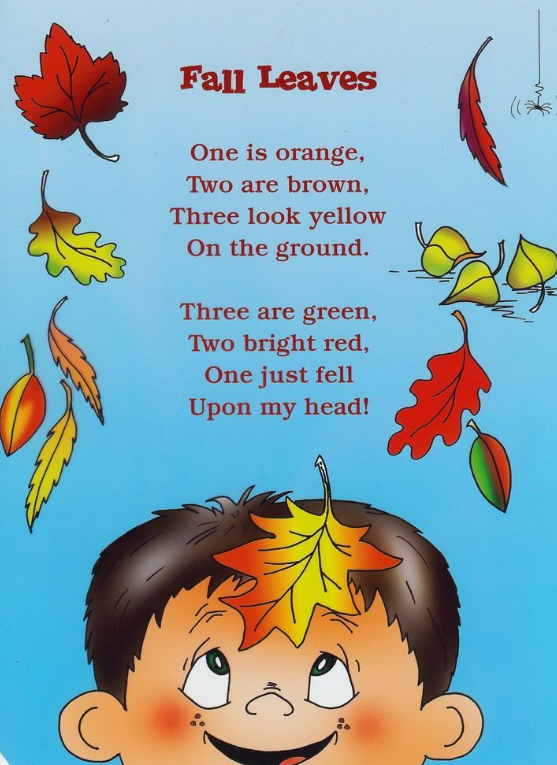
There is something special about finding the right story at the right age.
A small child may laugh over a silly poem about a dancing cat, while a teenager might stay awake thinking about a character who is facing the same fears, friendships, or choices they are dealing with. Stories change as readers grow, but the need for imagination, comfort, and meaningful words never really disappears.
As someone who has always loved books, I believe reading should not feel like homework all the time. Sometimes it should simply be a quiet moment before sleep, a funny poem shared at the kitchen table, or a story that makes a teenager think, “I understand how that character feels.”
That is why poems for kids, bedtime stories for 16 year olds, and teen stories all have an important place in a young reader's life. They may look different, but each can help children and teenagers explore feelings, ideas, relationships, and the world around them.
Why Poems for Kids Are More Powerful Than They Look
Children's poems can be short, playful, and easy to remember. But behind those simple lines, there can be plenty of learning.
A good poem can introduce a child to rhythm, new words, sounds, emotions, and creative thinking. A child might hear a poem about rain and suddenly start noticing how raindrops sound against the window.
That small moment can lead to curiosity.
Poems also give children a chance to play with language. Rhyming words, funny sounds, repeated phrases, and imaginative characters can make reading feel like a game.
What Can Children Learn From Poems?
Reading poems regularly can help children develop:
- Better vocabulary
- Listening skills
- Reading confidence
- Memory and concentration
- Creative thinking
- An appreciation for language
- A stronger interest in books
The best part is that children do not always realize they are learning.
A five-year-old who repeats a funny rhyme while brushing their teeth is practicing language without sitting down for a formal lesson.
Choosing Poems That Children Will Actually Enjoy
Adults sometimes choose books based on what they think children should read. Young readers, however, often respond better when they are given choices.
A child who loves animals might enjoy poems about dogs, elephants, birds, or imaginary creatures. Another child might prefer funny poems about school, food, siblings, or everyday adventures.
When choosing poems for kids, look for:
Simple but Interesting Language
The words should be understandable, but they do not need to be boring. A new word here and there can give children something interesting to learn.
Strong Images
A poem becomes memorable when children can picture it.
Instead of simply saying that a character is happy, a poem might describe someone jumping through puddles, spinning around the garden, or laughing so loudly that the birds seem surprised.
A Sense of Fun
Humor is one of the easiest ways to bring young readers closer to poetry.
A poem does not have to teach a serious lesson every time. Sometimes a poem about a sock that disappears in the washing machine is exactly what a child wants.
Bedtime Stories Change as Children Become Teenagers
Bedtime stories are often associated with very young children, but the idea does not have to disappear when a child becomes a teenager.
At 16, a reader may not want a parent to read a picture book aloud every night. But that does not mean stories have lost their value.
A sixteen-year-old may enjoy reading quietly before sleep. They may prefer a mystery, fantasy adventure, realistic friendship story, romance, science-fiction tale, or a thoughtful story about growing up.
This is where bedtime stories for 16 year olds can take a different form.
The story does not have to be childish. It can be calm, thoughtful, emotional, funny, or exciting while still providing a peaceful ending to the day.
What Makes a Good Bedtime Story for a 16-Year-Old?
A good bedtime story for an older teenager respects the reader's age.
Teenagers are thinking about independence, identity, friendships, education, future plans, family relationships, and many other parts of life. Stories can give them a safe way to explore these subjects.
A strong story for this age might include:
- A character dealing with an important decision
- A friendship that changes after a misunderstanding
- A mystery that encourages careful thinking
- A fantasy world with meaningful choices
- A young person discovering a hidden talent
- A family relationship that needs understanding
- A character learning from a mistake
The story should feel believable emotionally, even when the setting is completely imaginary.
Why Teen Stories Matter
Teen stories can become mirrors.
A teenager might read about a character who feels left out at school and recognize something familiar. Another reader may follow a character who is afraid of making the wrong choice and realize that uncertainty is normal.
This is one of my favorite things about books: they allow us to experience another person's life without leaving our chair.
A good teen story does not need to give readers a perfect answer. Sometimes it is more valuable when it gives them a question.
What would I do?
Would I forgive this person?
Would I take that risk?
What really matters to me?
These questions can stay with a reader long after the final page.
Teen Stories Do Not Have to Be Serious
There is sometimes a mistake in thinking that older readers only want deep, dramatic stories.
That is not true.
Teenagers need funny stories too.
A humorous story about an embarrassing school moment, a strange family holiday, an awkward friendship, or a disastrous attempt to impress someone can be incredibly relatable.
Comedy can also make difficult subjects easier to approach.
A reader may laugh at a character's mistake and then realize that they have made a similar mistake themselves.
Creating a Reading Routine for Teenagers
Getting a teenager to read can be difficult when there are so many other things competing for attention.
The answer is not always to demand more reading.
Instead, make reading easier to enjoy.
Try creating a simple routine:
- Let the teenager choose the subject.
- Keep the reading time realistic.
- Allow different types of stories.
- Avoid turning every reading session into a test.
- Talk about interesting stories naturally.
- Let teenagers stop reading books they genuinely dislike.
Even 15 or 20 minutes of enjoyable reading can become a valuable habit.
I have always found that readers become more interested when they feel that books belong to them, rather than feeling that every book has been assigned to them.
Poems and Stories Can Work Together
Poetry and storytelling are not completely separate worlds.
A poem can tell a tiny story in a few lines. A story can contain poetic descriptions. Both can encourage readers to imagine scenes, understand emotions, and pay attention to words.
For younger children, a parent might read a short poem before a bedtime story.
For teenagers, a poem might be followed by a short discussion or a personal writing exercise.
For example, after reading a poem about growing up, a teenager could write five lines about something they are looking forward to.
There is no need to grade it.
The purpose is simply to think and create.
Making Bedtime Reading a Shared Experience
Reading does not always have to happen alone.
Parents and teenagers can occasionally read the same short story and talk about it afterward. The conversation does not need to sound like a classroom discussion.
Instead of asking, “What is the theme?”
Try asking:
- “Which character did you like most?”
- “Would you have made the same choice?”
- “What surprised you?”
- “Did the ending feel right?”
- “What would you change?”
These simple questions can lead to surprisingly meaningful conversations.
Sometimes a story gives families a way to talk about things that would otherwise be difficult to discuss directly.
How Parents Can Encourage Teen Reading Without Pressure
Teenagers are more likely to develop a lasting reading habit when they have some control over it.
If your teenager loves fantasy, start there.
If they enjoy mysteries, give them mysteries.
If they prefer short stories, do not insist that they immediately read a 500-page novel.
Reading confidence grows step by step.
You can also keep books and stories easily available. A small reading corner, a digital library, or a collection of short stories can make choosing something to read much easier.
The goal is not to make every teenager a literary critic.
The goal is to help them discover that books can be enjoyable companions.
Finding the Right Story for the Right Reader
There is no single perfect story for every child or teenager.
A younger reader may need simple language and playful characters. An older teenager may want more complex relationships and stronger emotional themes.
Think about the reader's interests first.
For children:
- Animals
- Friendship
- Adventure
- Funny situations
- Fantasy
- Simple mysteries
For teenagers:
- Mystery and suspense
- Fantasy worlds
- Science fiction
- Romance
- Friendship
- Family
- Personal growth
- School and everyday life
- Identity and independence
When the subject connects with the reader's interests, reading becomes much easier.
A Small Library Can Create Big Memories
You do not need hundreds of books to create a meaningful reading space.
A small collection can be enough.
Imagine a teenager choosing a story before bed, a younger child laughing over a silly poem, and a parent sitting nearby with their own book. These ordinary moments may seem small, but they can become lasting memories.
That is one reason I love the idea behind a little library. It is not only about storing books. It is about creating a place where stories are always within reach.
A digital collection can serve the same purpose. Readers can explore different subjects and age groups without needing a huge physical bookshelf.
Where LitsLib Fits Into the Reading Journey
For families and young readers looking for a simple place to explore stories, LitsLib brings together ideas around literature, children's stories, reading, education, storytelling, and self-improvement.
It can be useful to think of reading as a journey rather than a single age-based activity.
A child might begin with poems for kids, move into short bedtime stories, and eventually discover longer stories written for older readers.
By the time they reach 16, their interests may have changed completely. They might be searching for mystery, fantasy, romance, adventure, or thoughtful teen stories that reflect the challenges of growing up.
That change is a good thing.
Readers should grow with their stories.
Final Thoughts
Books have a strange ability to meet us at different stages of life.
A simple children's poem can bring laughter to a six-year-old. A bedtime story can help a younger child settle down after a busy day. Years later, a teenager may discover a completely different kind of story that speaks directly to their experiences.
Poems for kids, bedtime stories for 16 year olds, and teen stories may serve different readers, but they share the same purpose: helping young people imagine, feel, question, and learn.
As a lifelong book lover, I think that is the real gift of reading.
We do not read only to finish pages.
We read to discover new ideas, understand other people, find comfort when we need it, and sometimes see a little more clearly who we are becoming.
And sometimes, the right story arrives at exactly the right moment.

 English
 Arabic
 French
 Spanish
 Portuguese
 Deutsch
 Turkish
 Italiano
 Russian
 Romaian
 Portuguese (Brazil)
 Greek
Greek